
 Web Desk
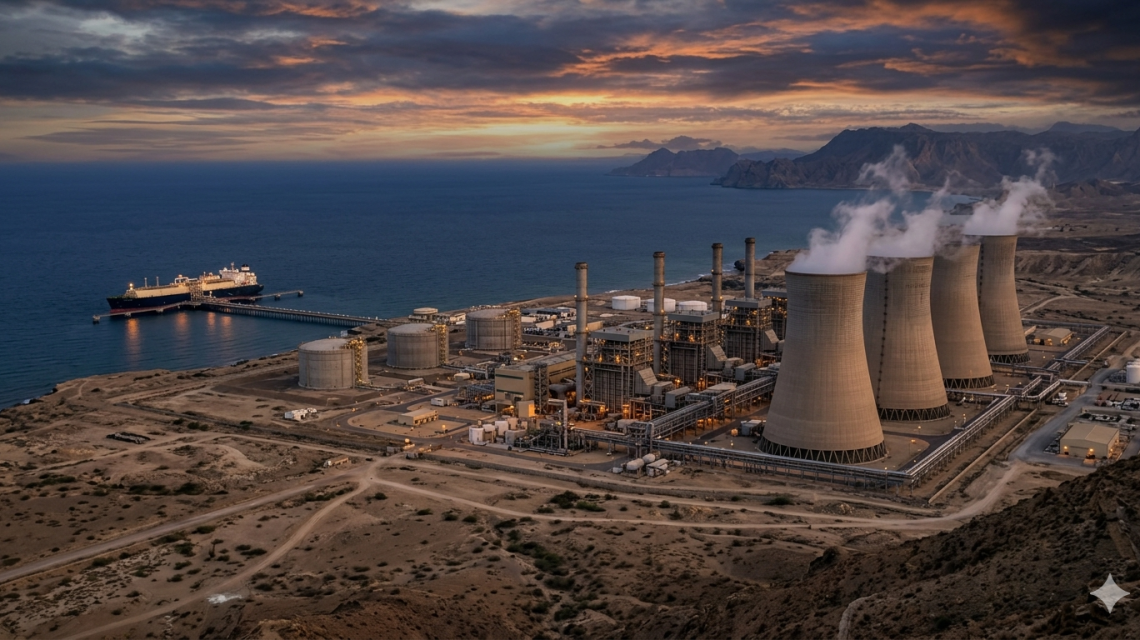
 As the mercury rises across Pakistan, the national power grid is under immense pressure due to a drying up of essential LNG supplies. What was once a steady stream of imported gas has slowed to a trickle, leaving major power infrastructure underutilised just when it is needed most.
Government sources indicate that by mid-April, the lack of fuel could leave a massive 5,000 MW void in the system, making localised blackouts an inevitable reality for many households. Residents in both urban and rural areas are being told to prepare for scheduled power outages, particularly during the high-demand evening hours, as the state struggles to balance the load without its primary gas-fired “peaker” plants.
Beyond the inconvenience of load-shedding, the financial fallout for the average Pakistani consumer is set to be substantial. Because the government must now rely on expensive furnace oil to keep the lights on, electricity tariffs are expected to spike. Analysts predict that these emergency fuel purchases could add a staggering Rs 12 per unit to upcoming utility bills, placing further strain on inflation-weary households.
Although there is a strategic push toward “solarisation” and domestic coal to reduce foreign dependency, the current reliance on the volatile global LNG market means that international shipping delays are now directly translating into higher costs and darker streets at home.

 Lahore Chicken, Egg Prices Hit Updated Rates
  Ramadan Calendar 2026 Pakistan | Sehri and Iftar Timings For Today