
 Web Desk
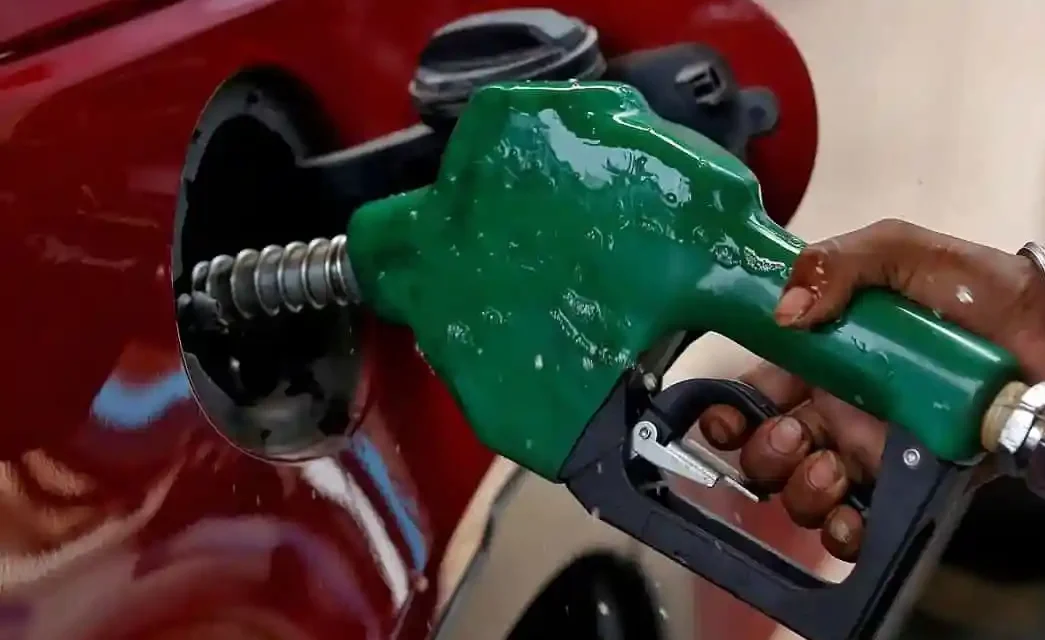
 Fuel prices in Pakistan are rising sharply as global oil market volatility is continuing to influence the country’s energy costs. The government has increased petroleum product prices amid rising international crude oil rates and supply concerns linked to geopolitical tensions in the Middle East.
According to the latest update on 7 March 2026, the price of petrol has reached Rs. 321.17 per litre, while high-speed diesel is now selling at Rs. 335.86 per litre across Pakistan. The increase of approximately Rs. 55 per litre reflects the pressure of global oil prices and Pakistan’s dependence on imported petroleum products.
Fuel prices in Pakistan are usually reviewed periodically based on international oil market trends and exchange rate movements. The latest increase is occurring at a time when global crude oil prices are rising sharply due to supply disruptions and geopolitical uncertainty affecting key energy routes.
The rise in petrol and diesel prices is directly affecting transportation, logistics, and production costs throughout the country. Businesses are adjusting their operational expenses as transportation costs continue increasing. Public transport fares, freight charges, and goods distribution costs are gradually rising as fuel remains one of the most significant inputs in Pakistan’s economy.
Industries that rely heavily on diesel-powered transport and machinery are experiencing additional pressure on operating costs. Agricultural activities, trucking services, and intercity logistics are particularly sensitive to fuel price movements. As a result, the rising cost of diesel is influencing supply chains across several sectors.
Consumers are also experiencing the broader impact of higher fuel prices. The increase in petroleum costs is gradually influencing the prices of food items, manufactured goods, and essential commodities due to higher transportation and distribution expenses.
Pakistan imports a significant portion of its crude oil and petroleum products, making the domestic market highly sensitive to international oil price movements. When global crude prices rise, domestic fuel prices are usually adjusted accordingly to reflect import costs and fiscal considerations.
Economic activity in Pakistan is continuing to adapt to the changing fuel price environment. Businesses are reviewing transportation efficiency, logistics planning, and energy usage strategies to manage operational expenses. Meanwhile, households are adjusting travel and consumption patterns as fuel costs influence daily budgets.
Energy security remains a key concern as Pakistan relies heavily on imported oil supplies through international maritime routes. Any disruption in these routes or global supply chains can significantly impact the domestic fuel market.
Despite the price increase, authorities are continuing to monitor supply levels and market conditions to ensure availability of petroleum products across the country.
Fuel Prices in Pakistan (7 March 2026)
| Fuel Type | Price per Litre |
|---|---|
| Petrol | Rs. 321.17 |
| High-Speed Diesel | Rs. 335.86 |
Economic Impact
Higher fuel prices are influencing Pakistan’s overall economic environment by increasing the cost of transportation, manufacturing, and distribution. These changes are gradually affecting inflation trends and business operations nationwide.
Industries are continuing to adjust operational strategies, while households are managing daily expenses amid rising energy costs. The situation is highlighting the importance of energy efficiency and economic planning as global oil markets remain volatile.

 International Forex Rates in Pakistan Today – 23 April 2026
  KSE-100 Drops: Widespread Selling Shakes Pakistan Stock Exchange