
 Web Desk
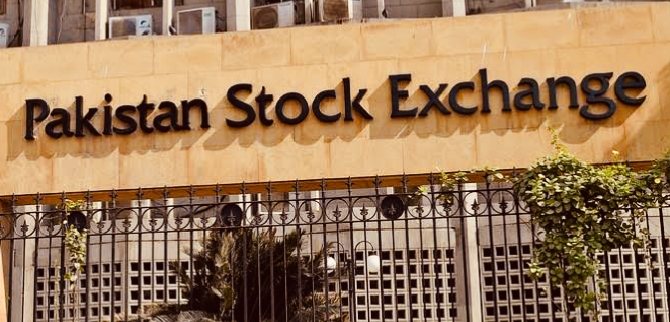
 If you were on the stock exchange floor today, the energy was electric. In a single trading session, the main blue-chip index of the Pakistan Stock Exchange (PSX), the KSE-100, surged by an astonishing 1,392 points, closing the market at 169,912 points. While these huge numbers are exciting and create immediate wealth for some, a professional journalist analysing the market wrap data sees a more complicated and very interesting long-term story. Is this one rally or the start of a massive boom? We need to look at the other numbers in the chart.
Making Sense of the Big Numbers
The market updates showed that the closing price of 169,911.95 points was a massive 0.83% gain in a single day. This is a spectacular daily result. To support this massive rise, traders bought and sold a very high constituent volume of 405.31 million shares. This tells us that many people were buying these constituent stocks with confidence, rather than just a few speculators pushing the price up. It was a broad bull rally.
This kind of surge, however, is not just random. It’s a powerful move, led by a few strong leaders:
- United Bank Limited (UBL) was the undisputed champion, adding 320.94 points.
- Oil & Gas Development Company Limited (OGDC) followed with 234.90 points.
- The Hub Power Company (HUBC) added 162.56 points.
- Pakistan Petroleum Limited (PPL) added 145.22 points.
These four companies were the real heroes of today’s story, powering almost all of the day’s progress.
The Mixed Longer Term Picture
The real question for serious investors is whether today’s massive jump is sustainable. This is where we must look beyond the daily news and focus on the longer-term performance numbers listed in the market wrap chart. We find two very different performance figures there.
The first long-term number is called FYTD (Fiscal Year To Date), and it tells a spectacular story. From the start of the current fiscal year (which would have been last year in July), the constituent stocks in this index have increased in value by a huge 35.25%. This is a massive number that shows that Pakistan’s premier listed companies have been exceptionally profitable and growing their value strongly over the past few months. It is this figure that gets professional, long-term investors very interested in the market, even with some short-term volatility.
However, the second long-term number is called CYTD (Calendar Year To Date), and it gives us a pause. This number tracks performance from the start of the current year, January 1st, 2026. This figure, even after today’s giant rally, still stands at a negative of -2.38%. This means that when investors started this year, they were very cautious and had sold more than they bought in early 2026. It has taken a massive jump of 1,300 points just to bring that number back up. Today was about erasing previous fears.
What Does This Mean for Investors?
Today’s close is a powerful and very positive sign. It has changed the short-term mood of the market from fear to a sudden, joyful bullishness. The high volume of 405 million shares of constituent stocks indicates that many people were willing to buy today, believing that prices will go higher tomorrow.
But the mixed long-term data advises caution. For short-term traders, today’s rally is a golden opportunity to make a profit. However, for a regular, long-term investor, it is a reminder to focus on the big picture. The 35% fiscal year performance tells you that the companies are fundamentally strong. But the negative calendar year performance tells you that the market can be very volatile, and prices can go down as well as up.
In conclusion, today was a day for celebration for PSX investors. But for the long term, it’s a time to be thoughtful. It shows that Pakistan’s listed companies are powerful performers, but their stock prices can move in big, unexpected jumps. For a regular citizen, a market close like this should be seen as a great signal of business health but also as a reminder that investing always comes with risks.

 KMI-30 INDEX JUMPS 2,400 POINTS IN ONE DAY, BUT WHAT IS THE LONG TERM TREND? A LOOK AT THE DATA.