
 Web Desk
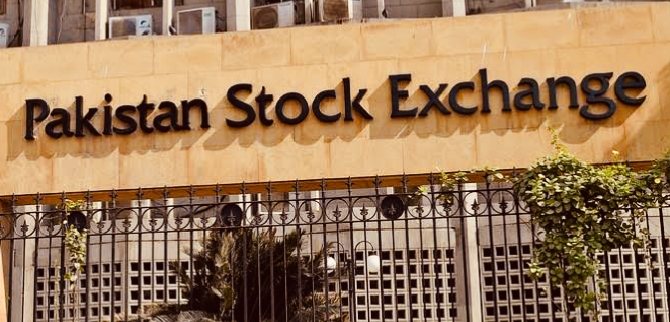
 The Pakistan Stock Exchange experienced a controlled decline on January 9, 2026, as the KSE-100 index closed lower following widespread profit-taking in heavyweight stocks.
The index opened at 185,700.13 points, moved to a session high of 186,180.32 points, and later slipped to 183,700.84 points due to selling pressure.
By the close of the session, the benchmark index settled at 184,409.67 points, down 1,133.34 points, representing a 0.61 percent decrease.
Trading Volume Signals Confidence
Index constituent volume reached 393.48 million shares, suggesting that investor interest remains intact despite the decline.
Sector Review
The fertilizer, insurance, and banking sectors provided partial support, while cement, energy, and oil-related stocks remained under pressure.
Positive Contributors
- FFC
- AICL
- MCB
- NML
- KTML
These stocks continued to attract selective buying due to their financial stability.
Negative Contributors
- HUBC
- LUCK
- ENGROH
- NBP
- EFERT
These companies collectively pulled the index down by more than 500 points.
Long-Term Growth Perspective
The KSE-100 index’s FYTD gain of 46.79 percent remains one of the strongest performances among regional markets, reflecting growing investor confidence in Pakistan’s economic outlook.
Investor Confidence
Market analysts say that foreign interest, improving corporate earnings, and stabilizing economic indicators are supporting long-term optimism.
“This correction should be viewed as an opportunity, not a threat,” said a senior portfolio manager.
What to Expect Next
Experts expect continued sideways movement in the short term, followed by gradual upward momentum once fresh economic data and corporate results are released.
Final Thoughts
The PSX remains in a healthy consolidation phase. Investors are advised to stay patient, diversify portfolios, and focus on long-term value rather than short-term volatility.

 International Forex Rates in Pakistan Today – 23 April 2026